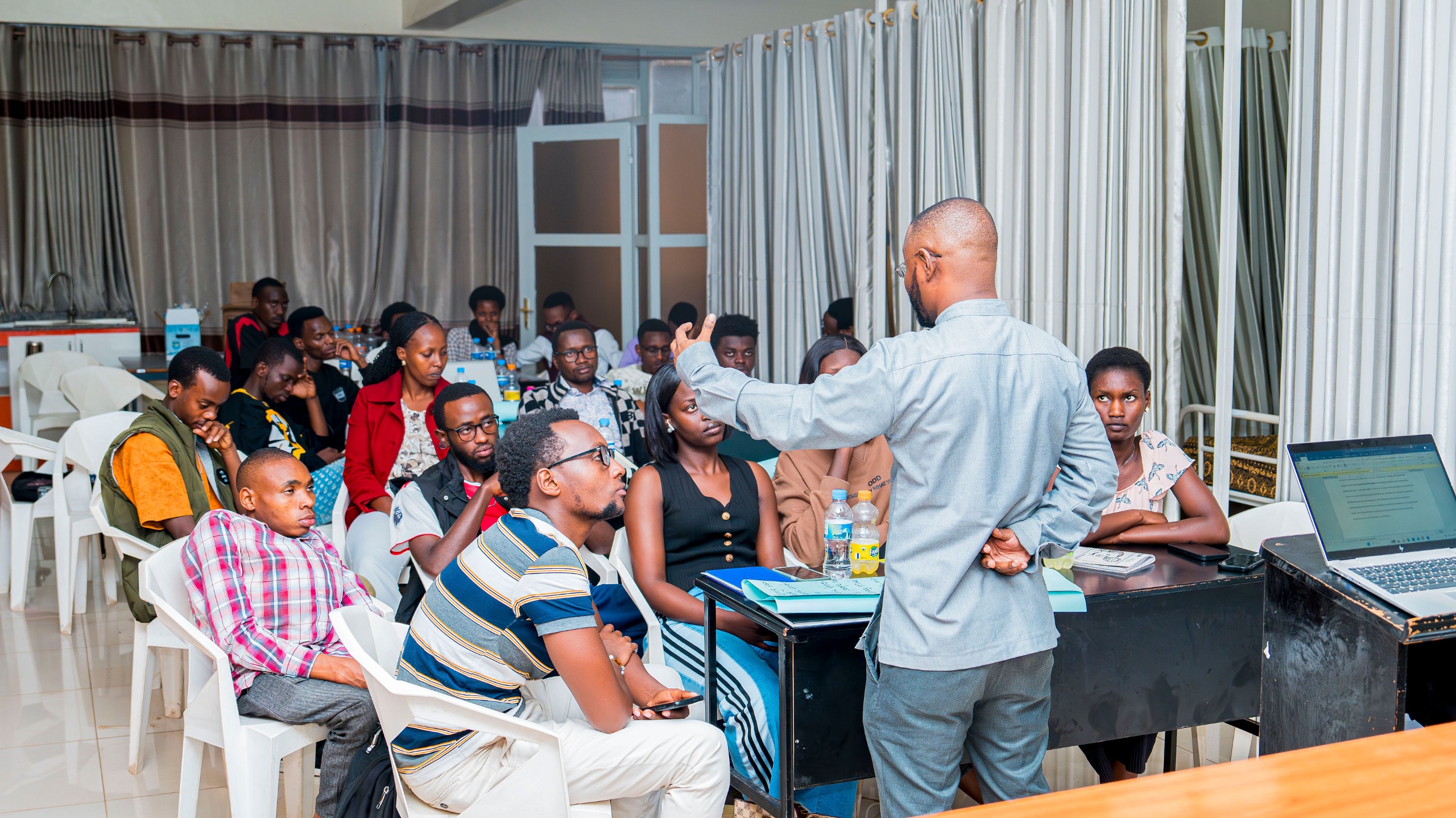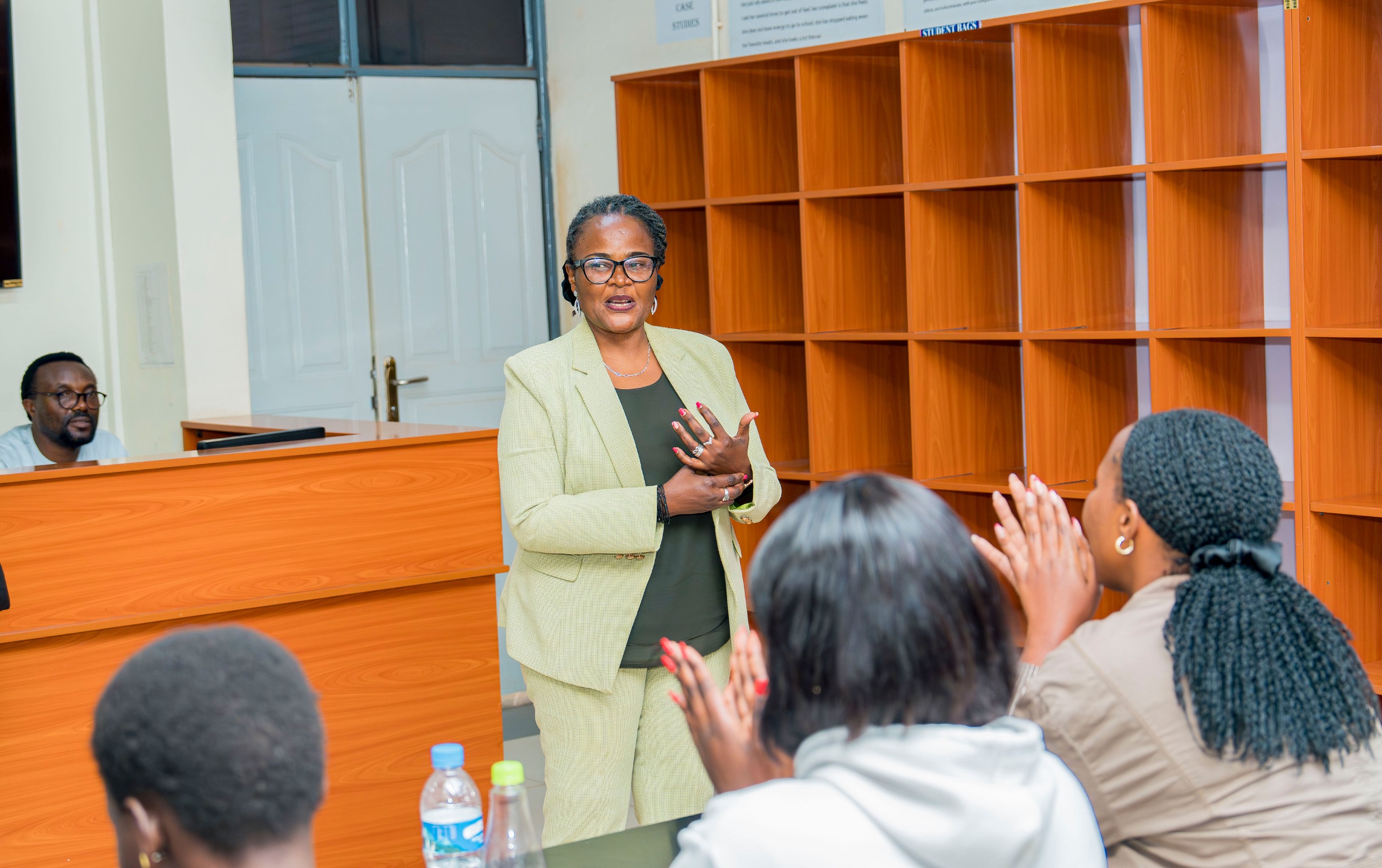

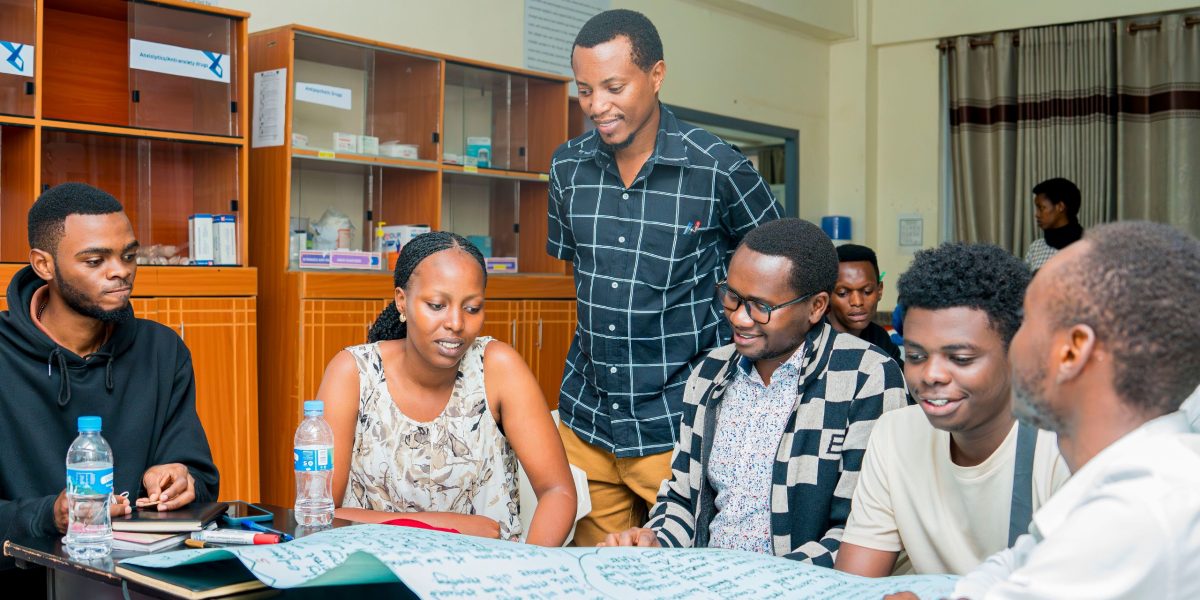
Mount Kigali University, in partnership with the Fojo Media Institute, has taken a bold step in redefining journalism training by equipping students with skills that go far beyond reporting. Through a three-day intensive workshop on stress and trauma management, the university is preparing future journalists to face the often overlooked emotional and psychological demands of the profession.
In an era where journalists are frequently exposed to distressing events, from accidents and conflict to deeply personal human tragedies, the need for mental resilience has become more urgent than ever. This initiative reflects a growing recognition that technical competence alone cannot sustain a journalist in today’s fast-paced and emotionally taxing media environment.
The training brought together a diverse team of facilitators, blending academic knowledge with real-world experience. Among them were university educators Eliud Masaka, Regis Gatari, and Festus Irungu, alongside professionals such as Turikumwenamungu Jean Bosco, a clinical and counseling psychologist, Jean Tabaro from KT Press, and gender and media expert Solange Ayanone.
Throughout the sessions, students were introduced to the complex nature of stress, described as a natural response to pressure that can either enhance performance or gradually become harmful if left unmanaged. Trainers explained how journalists often experience different forms of stress, particularly in high-pressure environments where deadlines are tight and stories unfold unpredictably.
The conversation deepened as facilitators addressed trauma, a powerful emotional response to distressing events. For journalists, repeated exposure to such situations can lead to lasting psychological effects. Participants learned to recognize warning signs such as anxiety, emotional detachment, sleep disturbances, and difficulty concentrating, all of which can affect both professional output and personal well-being.
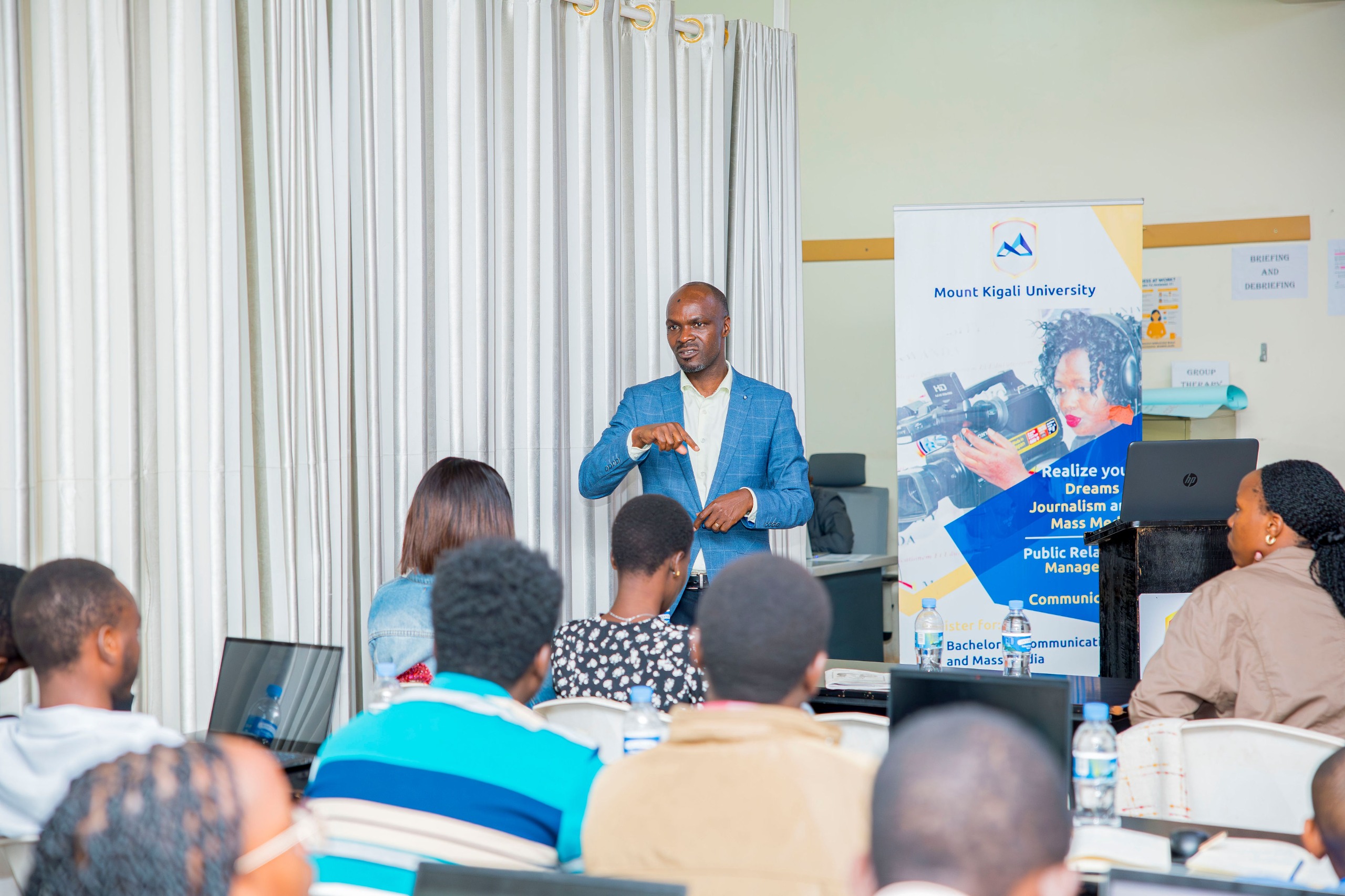
Guest speakers including Jean de la Croix and Claudine Amahoro emphasized the importance of discipline, ethical responsibility, and intentional storytelling. They reminded students that journalism is not just about chasing stories, but about making thoughtful decisions on what to report and how to report it. Ayanone also urged future journalists to handle sources with care, cautioning against applying pressure on vulnerable individuals simply to meet editorial expectations.
The training further highlighted the unique challenges faced by women in media. Ayanone pointed out that female journalists often encounter higher levels of harassment and societal pressure, encouraging them to remain confident and resilient despite these barriers.
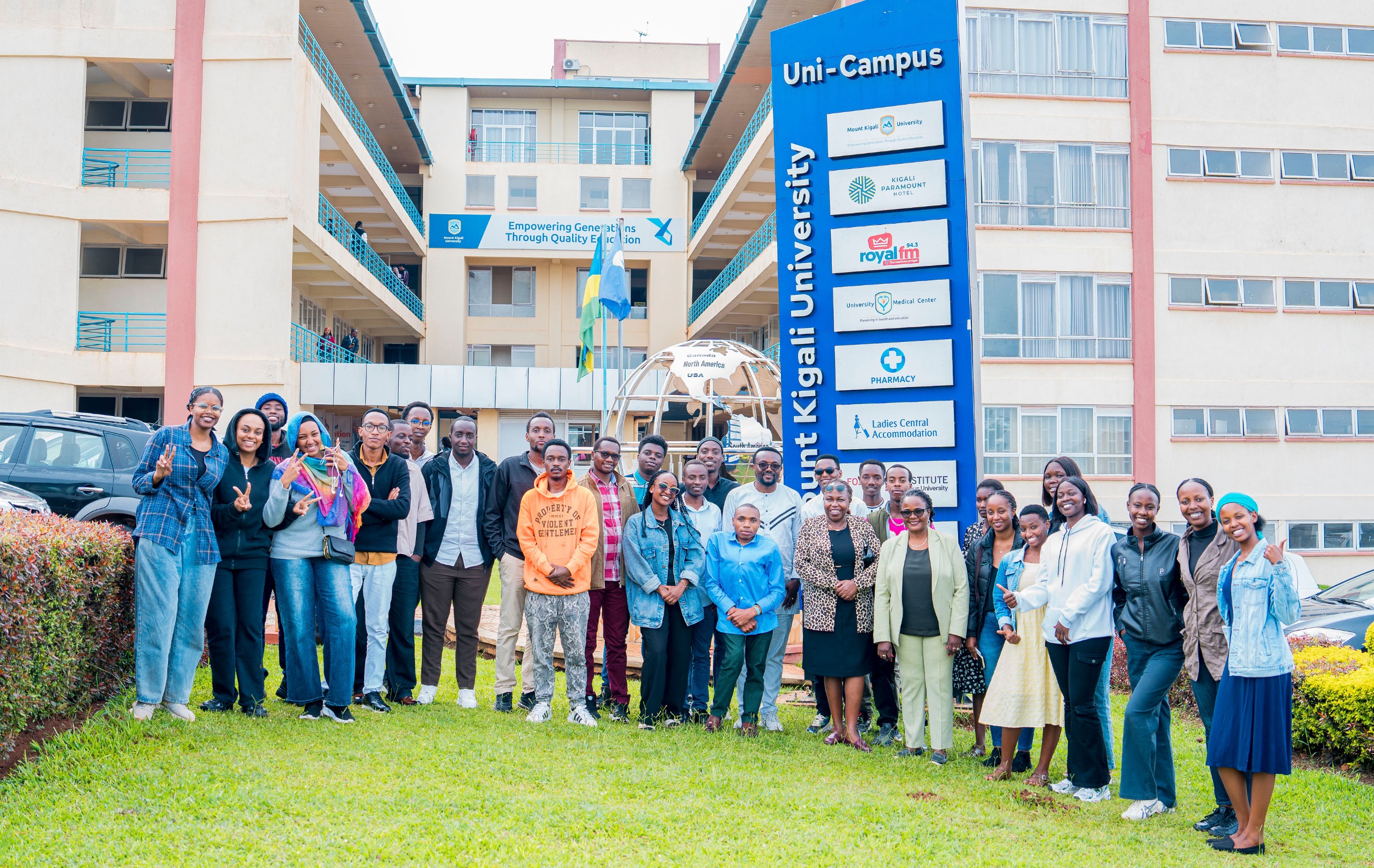
A key takeaway from the workshop was the concept of a trauma-informed newsroom, where the well-being of journalists is prioritized alongside the pursuit of news. Participants were encouraged to foster environments that promote safety, peer support, and open communication. They were also reminded of the importance of cultural sensitivity, particularly when covering delicate subjects such as Rwanda’s historical experiences.
As discussions progressed, attention shifted to practical ways of managing burnout, a growing concern in the media industry. Students were advised to set clear boundaries between work and personal life, prioritize rest and healthy living, and seek psychological support when needed. They were also encouraged to approach their work with realistic goals, allowing them to maintain both productivity and personal balance.
By the end of the training, it was clear that the initiative had offered more than just academic insight. It provided students with the tools to navigate the emotional realities of journalism with awareness, empathy, and professionalism.