
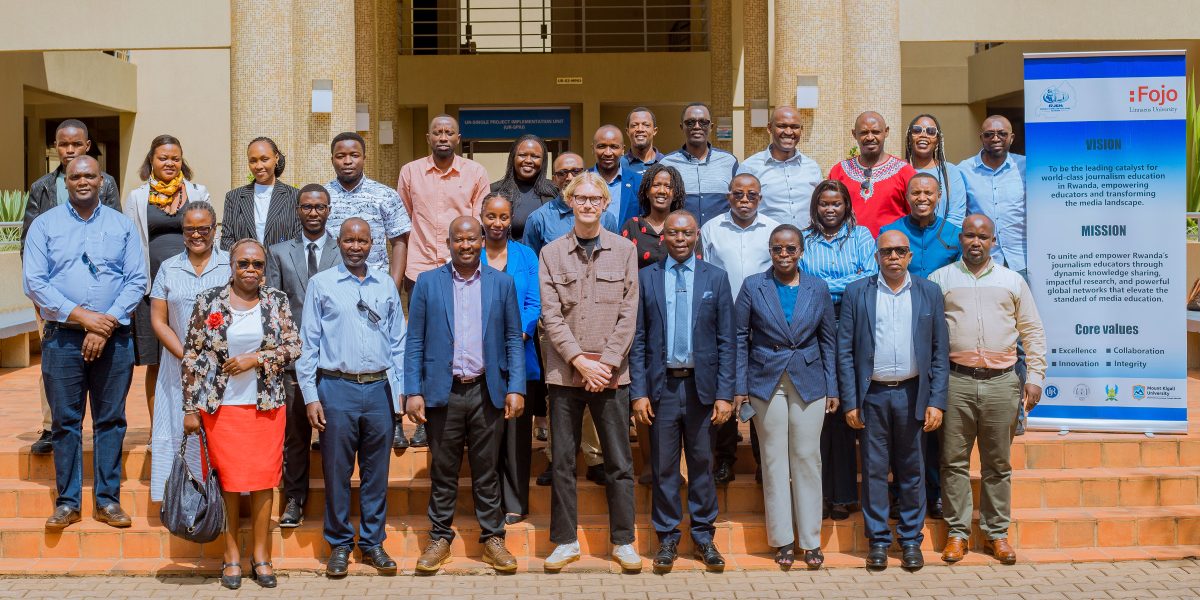
The Rwandan Journalism Educators Network has called for stronger collaboration among universities, media educators, and media stakeholders to address challenges facing journalism in Rwanda, including press accreditation, freedom of expression, and practical training for journalism students. In this context, the RWANDA JOURNALISM EDUCATORS CALL FOR MEDIA LAW REVIEW AND IMPROVED JOURNALISM TRAINING has become a central focus among stakeholders.
The discussions took place during a meeting hosted at the University of Rwanda in Gikondo, bringing together journalism educators and representatives from different universities to explore solutions that could strengthen the country’s media sector as advocated in the RWANDA JOURNALISM EDUCATORS CALL FOR MEDIA LAW REVIEW AND IMPROVED JOURNALISM TRAINING initiative.
Among the key issues discussed was whether journalists who have received formal journalism education should be treated differently from those who have acquired their skills without attending journalism school. Participants also questioned whether journalism students should be issued student press cards to help them gain practical experience while still pursuing their studies. Notably, the RWANDA JOURNALISM EDUCATORS CALL FOR MEDIA LAW REVIEW AND IMPROVED JOURNALISM TRAINING continues to influence these ongoing debates.
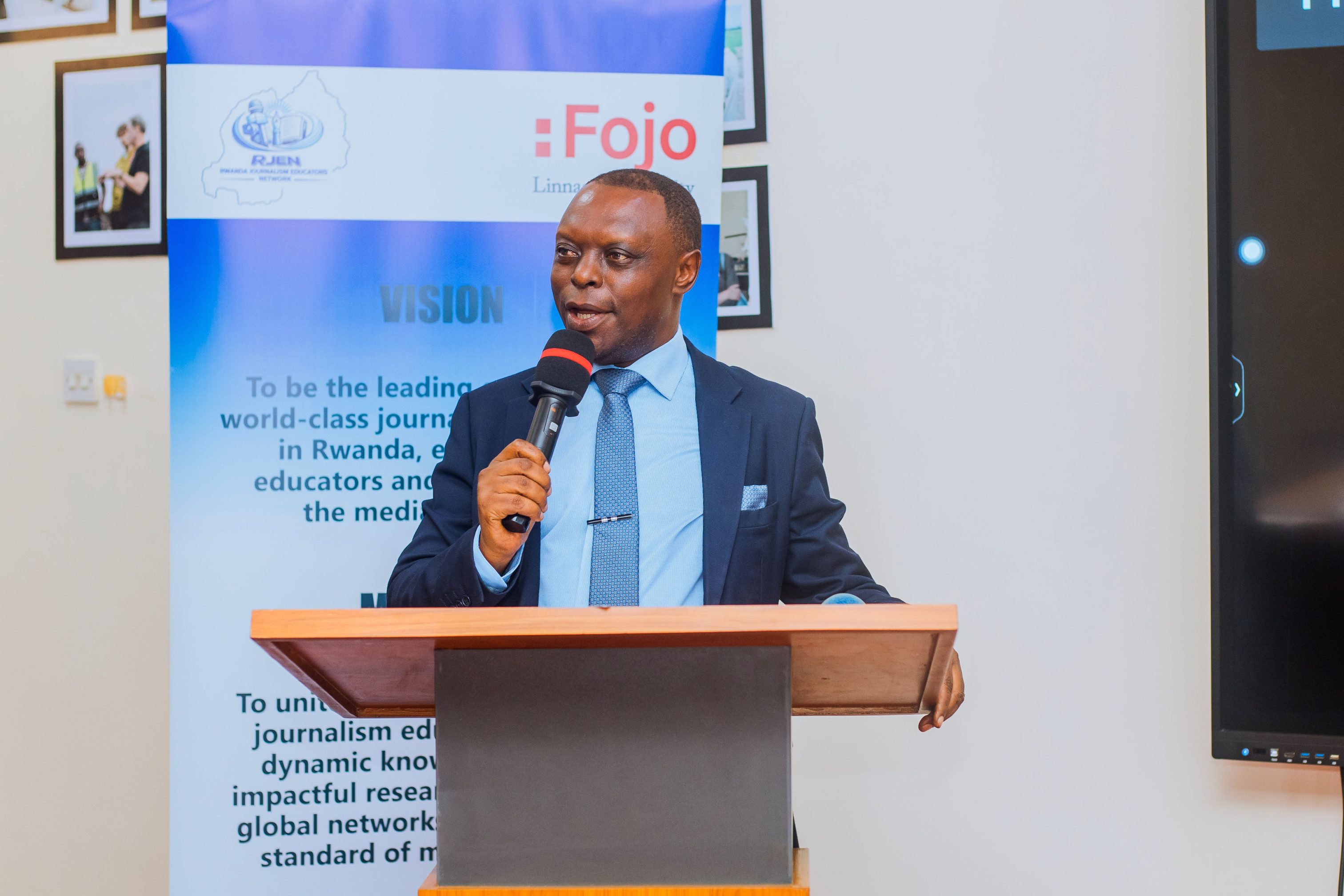
The meeting further examined whether journalists can report stories when their press cards have expired and whether alternative identification systems, such as digital stamps, could help verify journalists beyond the traditional press card.
Participants emphasized the need to clarify accreditation procedures while ensuring that journalists can carry out their professional responsibilities effectively and in the public interest.
Another major concern raised was the need to review Rwanda’s media law, which participants said required an update following the expiry of the previous framework in 2018. The discussion highlighted the importance of bringing relevant media stakeholders together to examine existing challenges and develop practical recommendations for the sector.
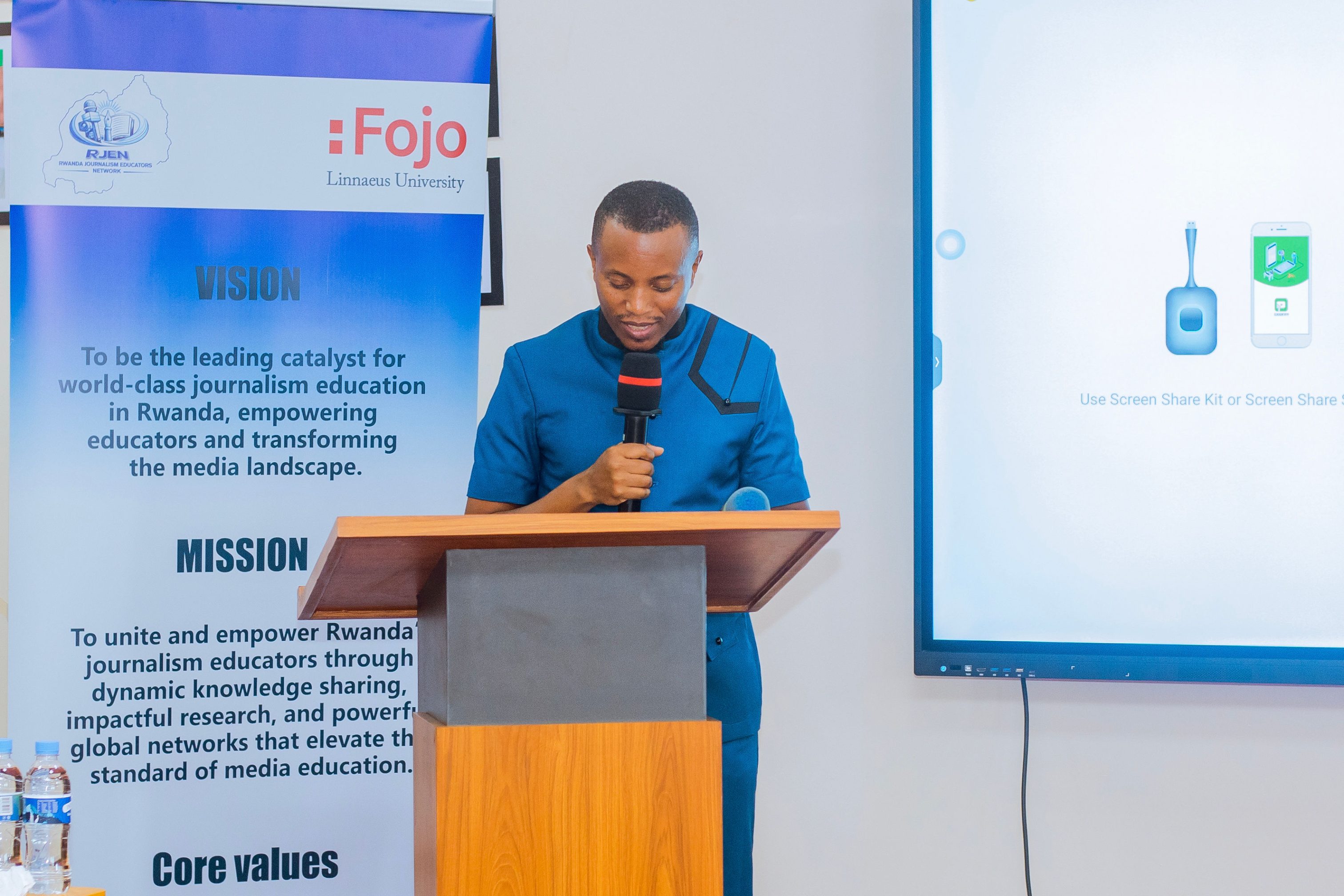
A master’s student from the University of Rwanda suggested that the media law authorities and the Rwandan Journalism Educators Network should exchange ideas and work together towards resolutions that address the challenges facing journalists and media institutions.
The meeting also emphasized the importance of public interest and freedom of expression as essential principles in journalism. Participants stressed that any proposed solutions should support responsible reporting while protecting the role of the media in informing the public.
In addition, the president of the Rwandan Journalism Educators Network called on universities to strengthen practical journalism training by establishing campus radio and television stations in alignment with the RWANDA JOURNALISM EDUCATORS CALL FOR MEDIA LAW REVIEW AND IMPROVED JOURNALISM TRAINING agenda.
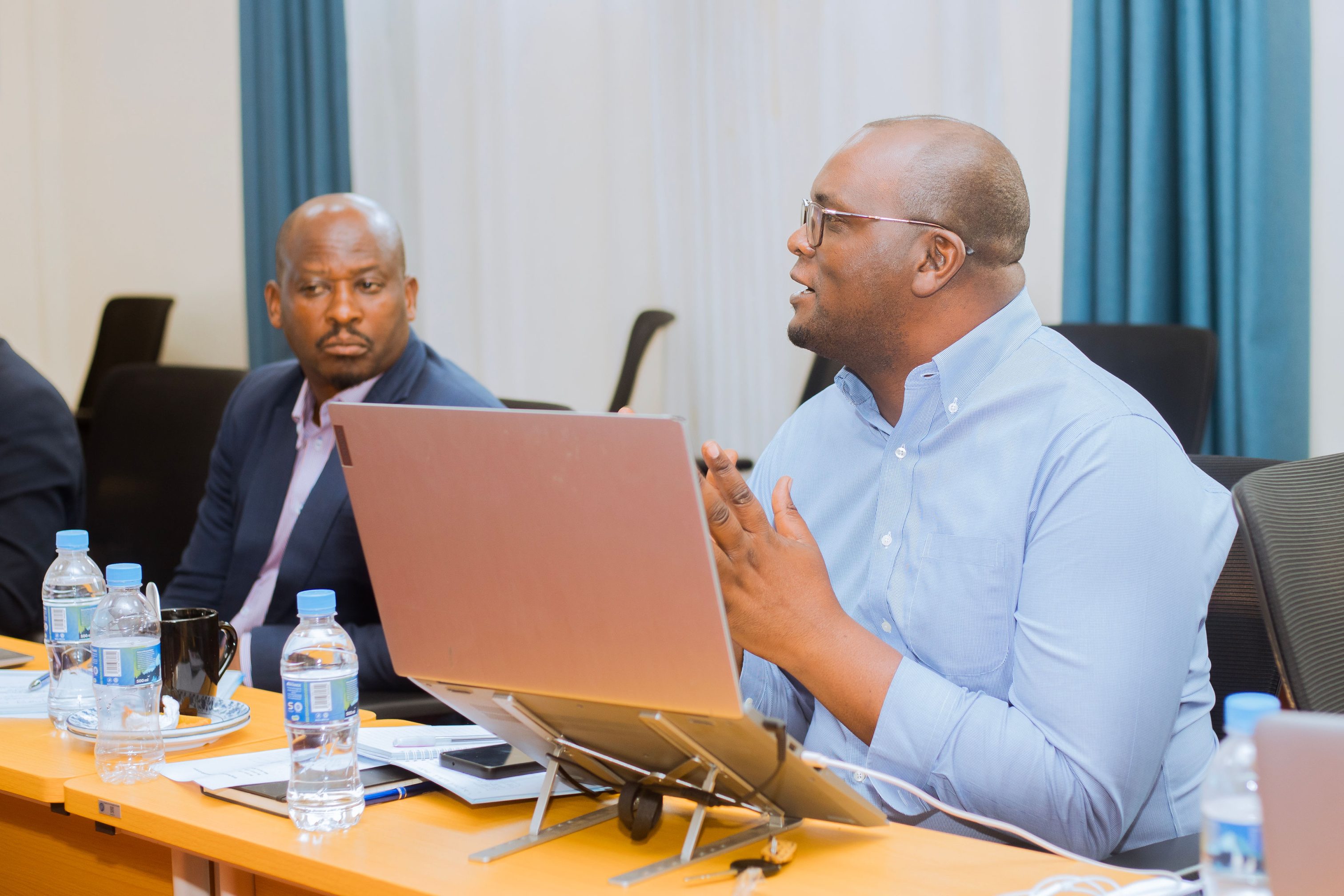
“The universities must have at least a TV station or radio station as well for better practical skills for students who are doing internships or even class practical skills,” the president said.
The proposal was presented as a way to bridge the gap between classroom learning and professional journalism by giving students more opportunities to develop reporting, broadcasting, and production skills before entering the media industry.
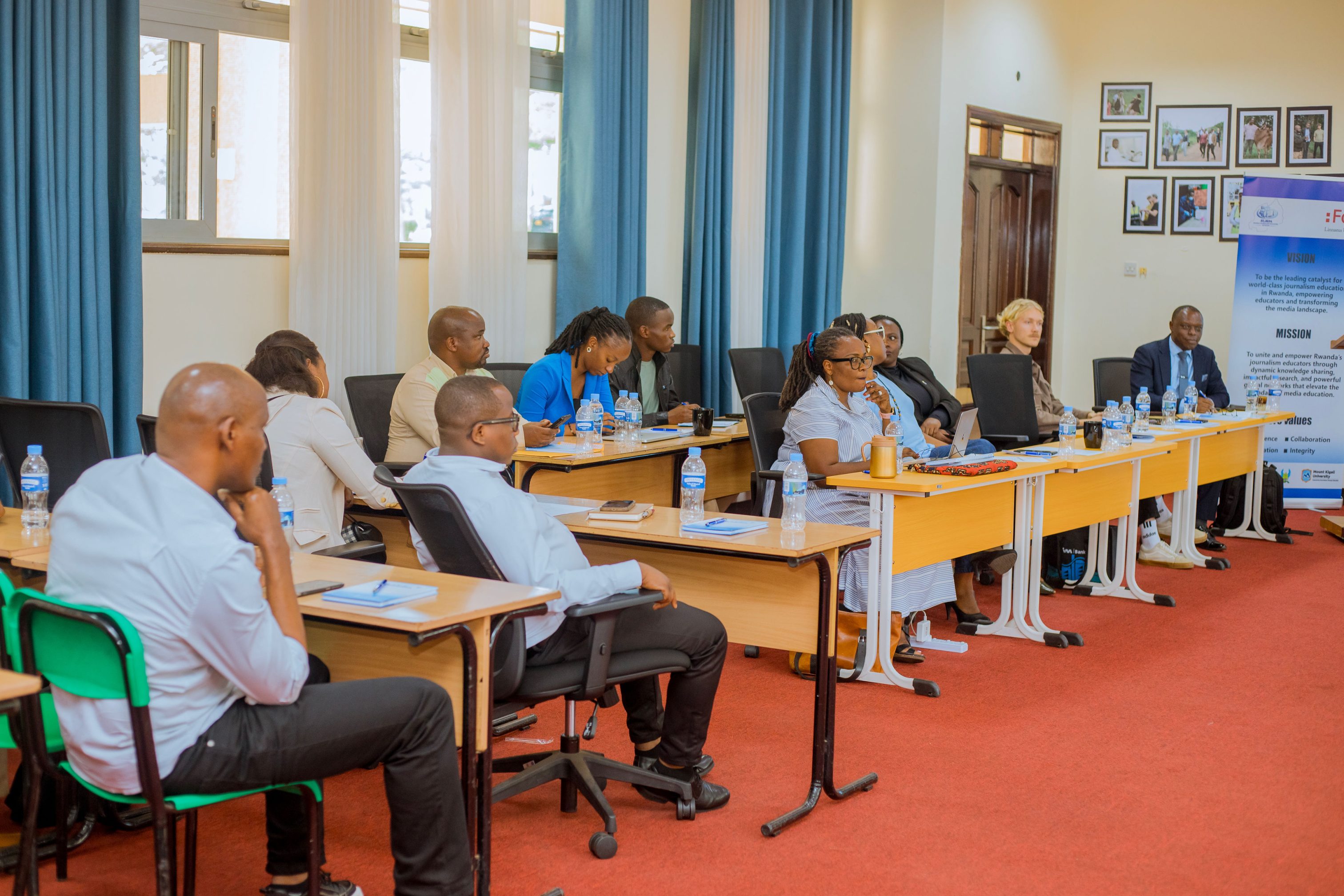
The meeting aimed to bring journalists and journalism educators together to develop impactful solutions to the challenges facing Rwanda’s media sector. Participants highlighted the need for continued dialogue, collaboration, and practical recommendations to improve journalism education and professional practice. In summary, the RWANDA JOURNALISM EDUCATORS CALL FOR MEDIA LAW REVIEW AND IMPROVED JOURNALISM TRAINING highlights core priorities for the sector’s advancement.
The discussions underscored the importance of cooperation between educational institutions and media stakeholders in building a stronger, more responsible, and effective media industry in Rwanda.
By Nyanok Maat | Mount Kigali University
GIKONDO, Rwanda October 23, 2026