

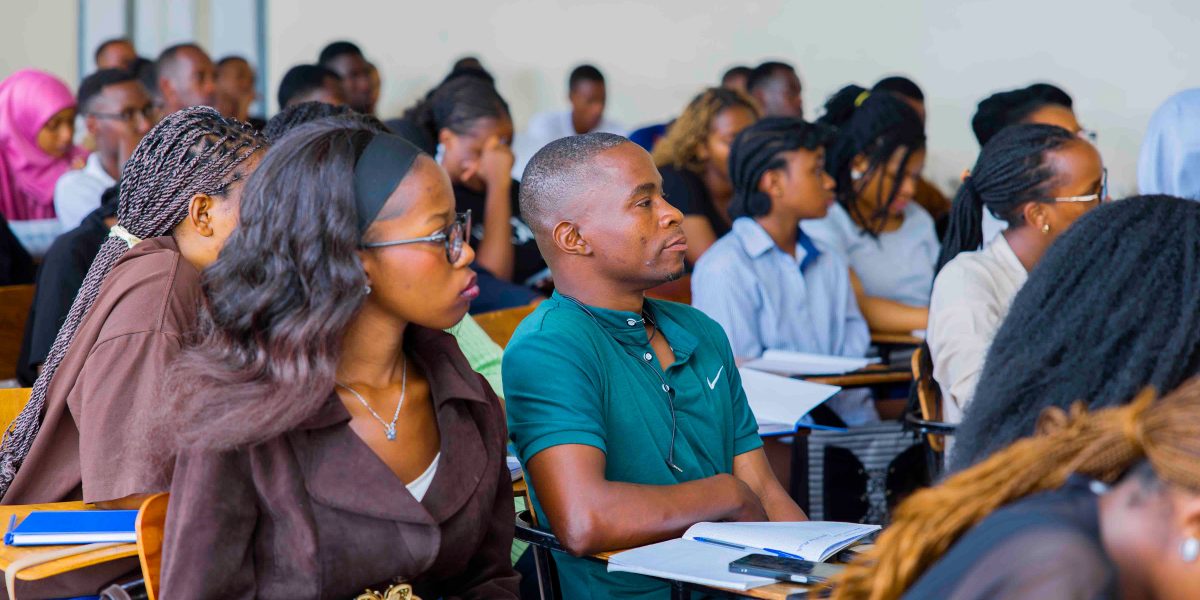
Journalism students at Mount Kigali University (MKUR) have been encouraged to embrace artificial intelligence (AI) as a tool for improving their work while maintaining the professional judgment, verification and ethical responsibility at the heart of journalism. Speaking during a public lecture at Mount Kigali University, Philbert Girinema, Chief Editor at IGIHE, discussed the growing role of AI in journalism and how future journalists can prepare for its increasing presence in modern newsrooms. This talk reflected the core theme of AI in Journalism: MKUR Students Learn Why Human Judgment Still Matters.
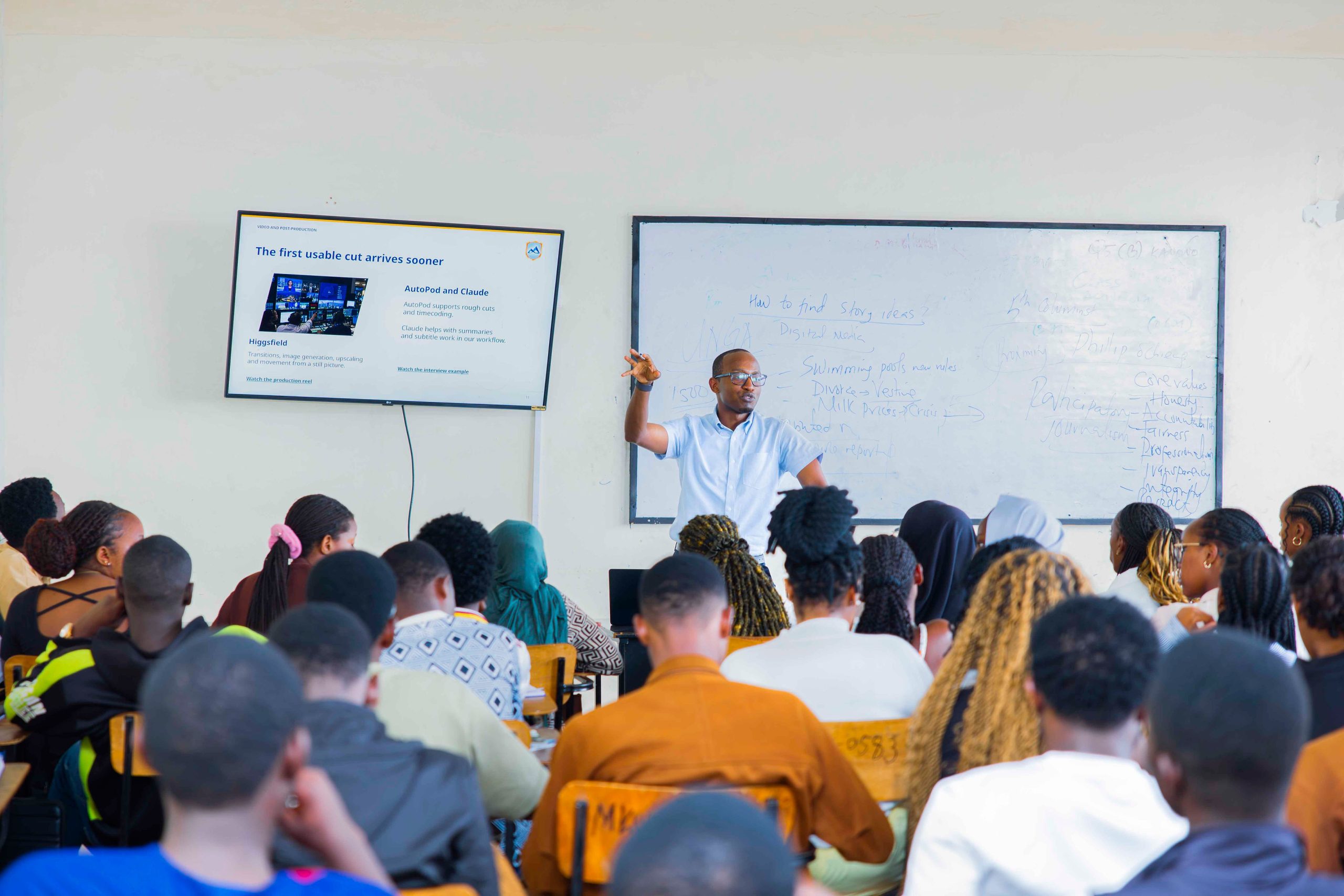
Girinema highlighted several ways journalists and journalism students can use AI to support their work, including summarising information, simplifying complex topics, developing interview questions and saving time during different stages of news production. However, he cautioned students against becoming overly dependent on AI, emphasising that journalists remain responsible for the information they publish. “Knowing AI is not a journalism skill by itself.” He stressed that journalists need strong reporting and professional skills alongside the ability to use AI tools effectively.
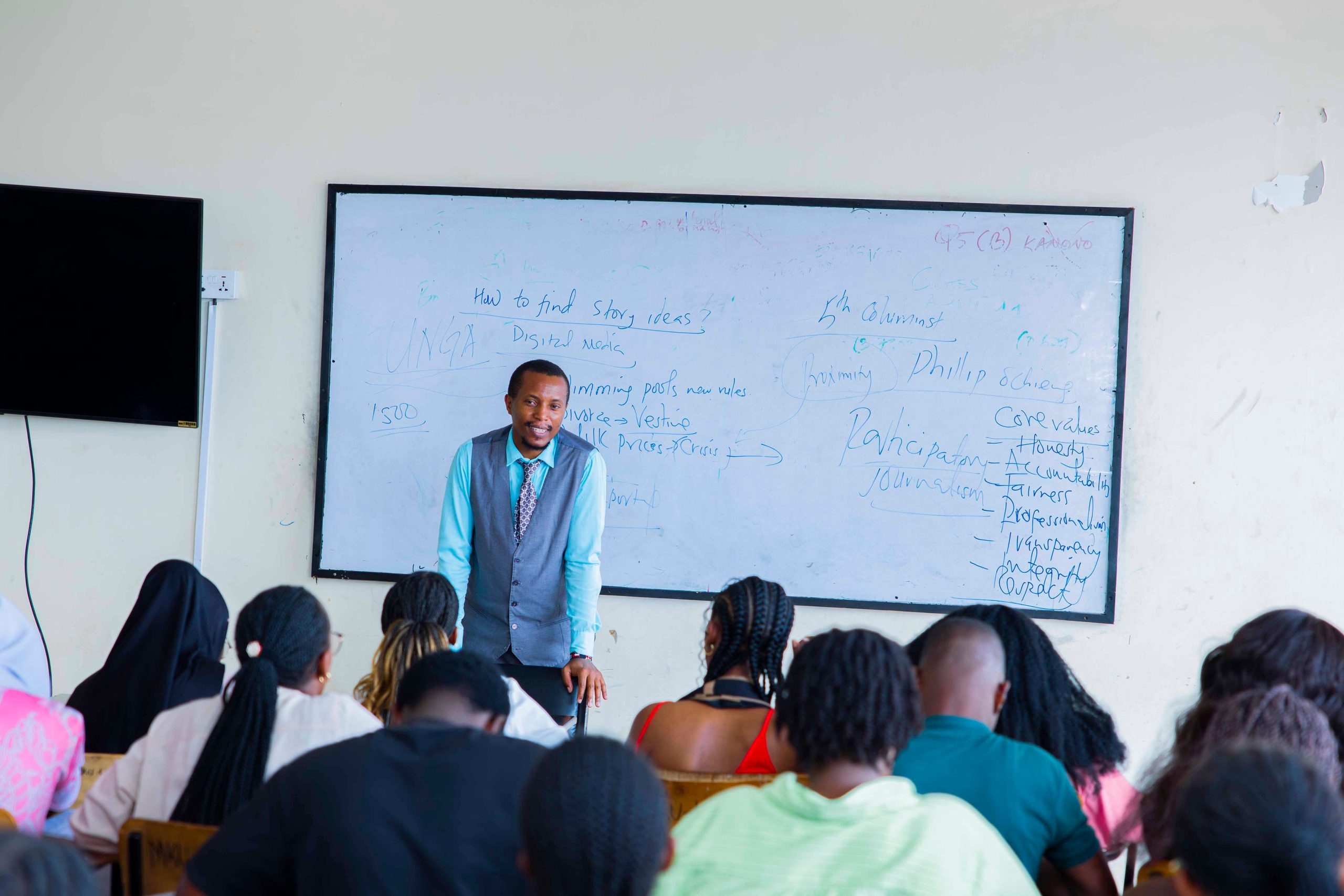
One of the key messages from the lecture was the importance of fact-checking and independent verification when using AI-generated content. Girinema noted that AI does not always produce accurate results, particularly when translating information into some African languages. This reinforces the need for journalists to carefully verify AI-generated information before using it in published stories. He encouraged students to view AI as a tool that can enhance their capabilities rather than replace the journalism profession.
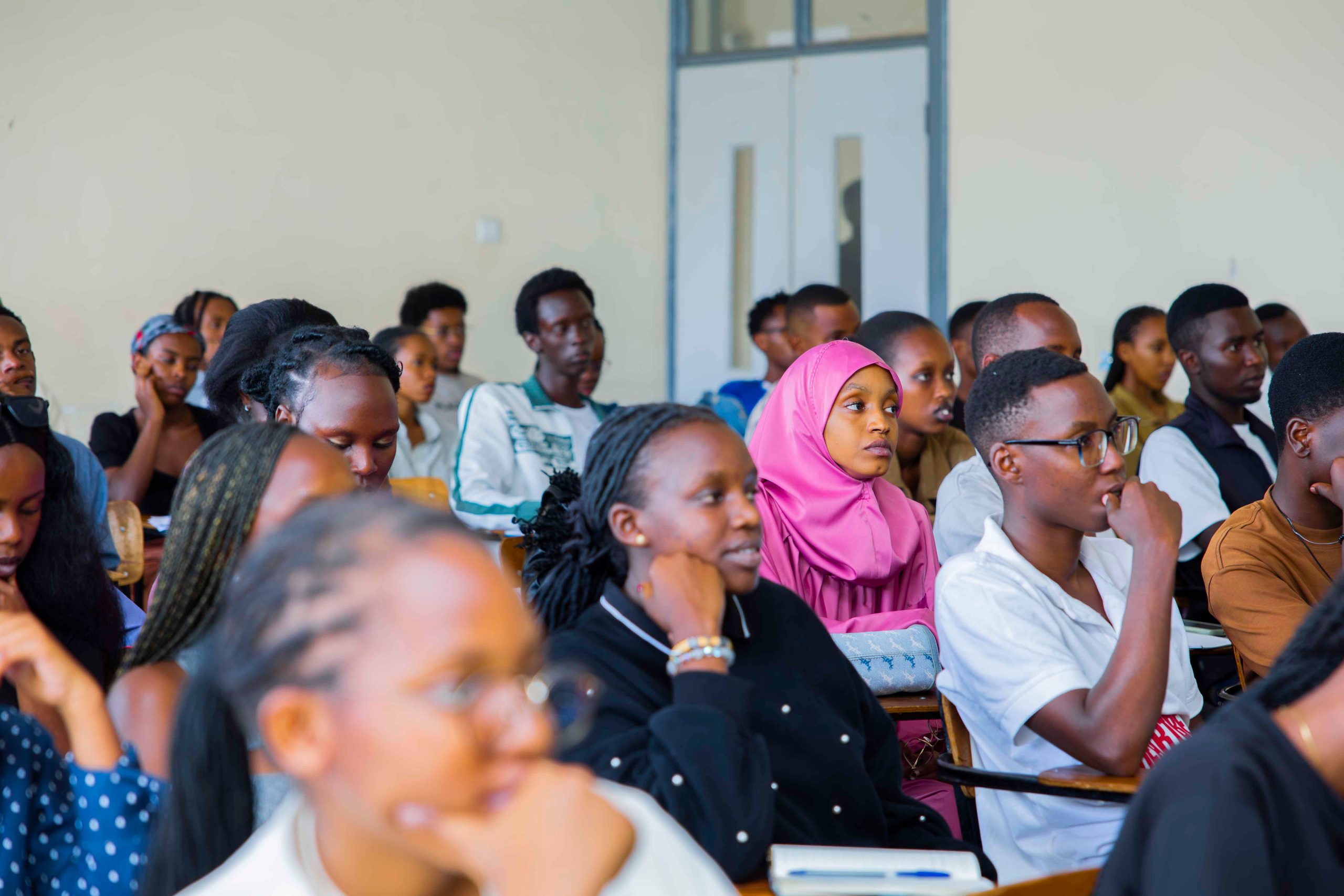
The students also recognised the importance of maintaining human oversight. Queen Kaluaki, one of the students, observed that AI can assist in preparing drafts but should not be relied upon to produce the final story. “We can use AI to help us create a draft of an article, but we cannot rely on it to produce the final article for us.” She further emphasised the need to independently verify names, facts and other details generated by AI. She noted that although AI is likely to become part of journalists’ everyday professional lives, journalists must continue to conduct field reporting and engage directly with people. Another student, Abijuru Vanitha, stressed that journalists should remain the final decision-makers when working with AI. “I am the one who tells AI what to do; AI does not tell me what to do.”
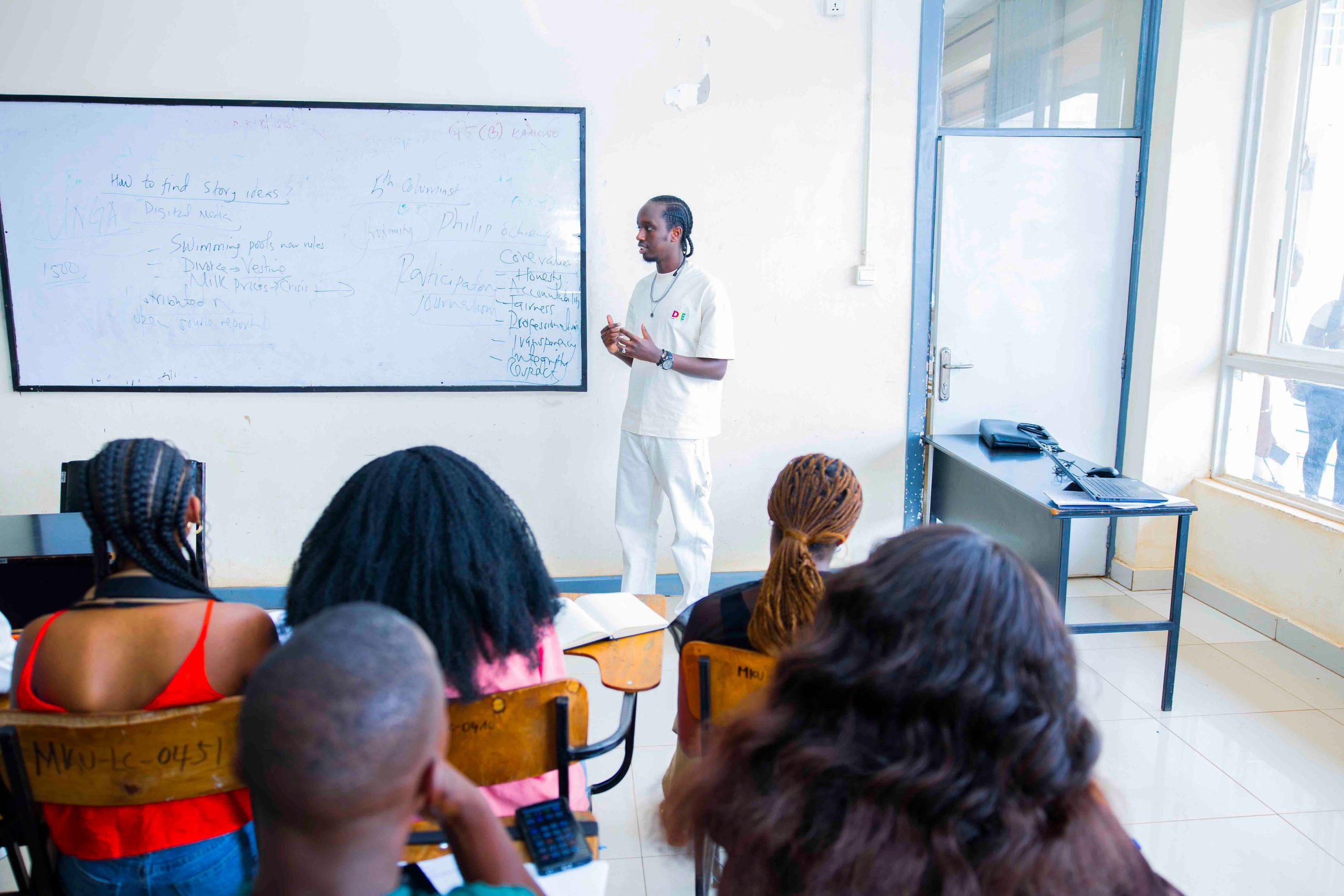
The lecture highlighted the changing nature of journalism and the importance of preparing students for newsrooms where AI is increasingly becoming part of the production process. While AI can support journalists with speed, research assistance and content development, the lecture emphasised that the foundations of journalism remain essential: reporting, verification, critical thinking, professional ethics and human judgment. Girinema concluded by emphasising that a good journalist should understand how to use AI effectively without becoming dependent on it.
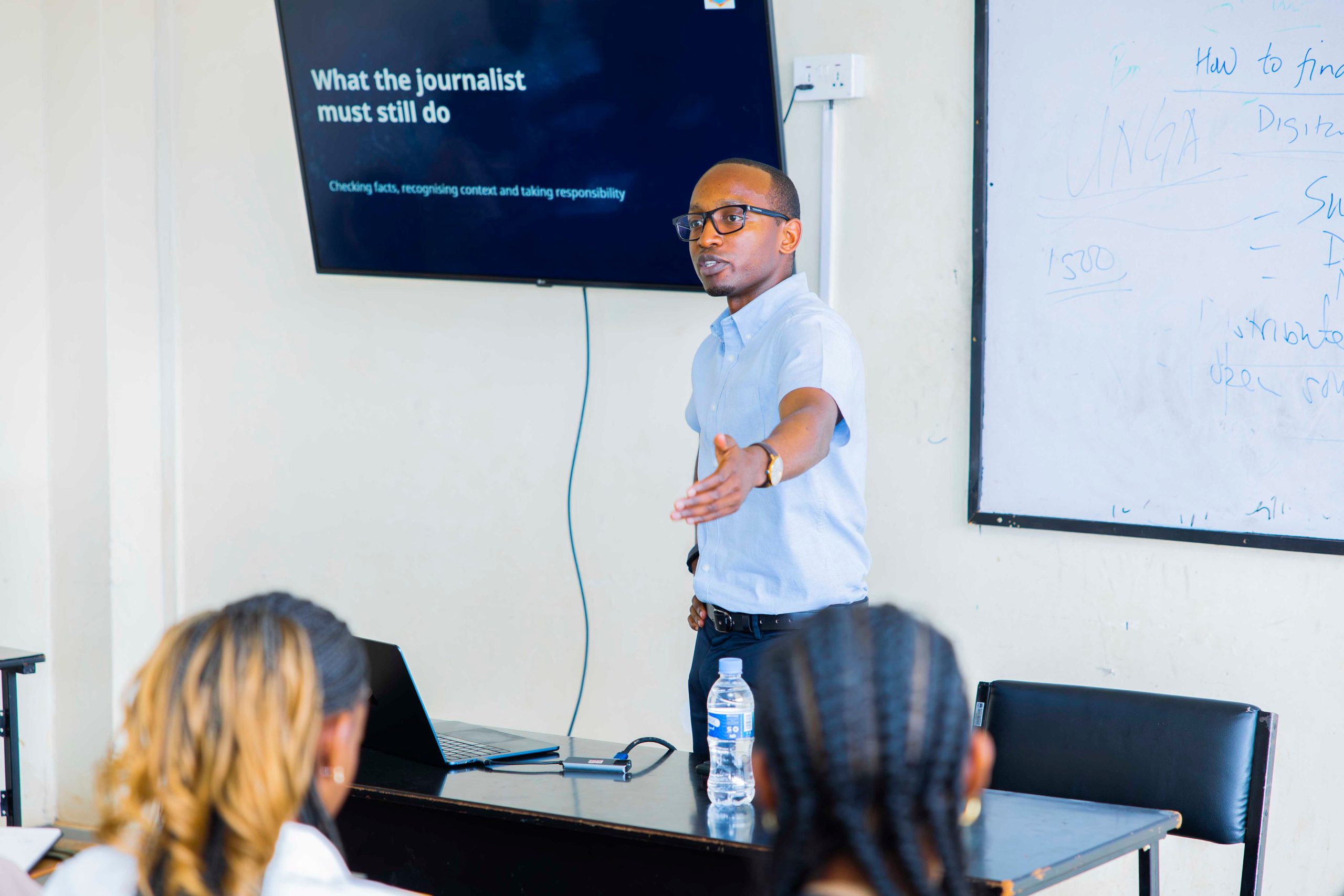
For Mount Kigali University journalism students, the discussion provided an important perspective on the future of the profession: the journalists of tomorrow will need to understand emerging technologies while preserving the human responsibility and professional standards that give journalism its credibility.