

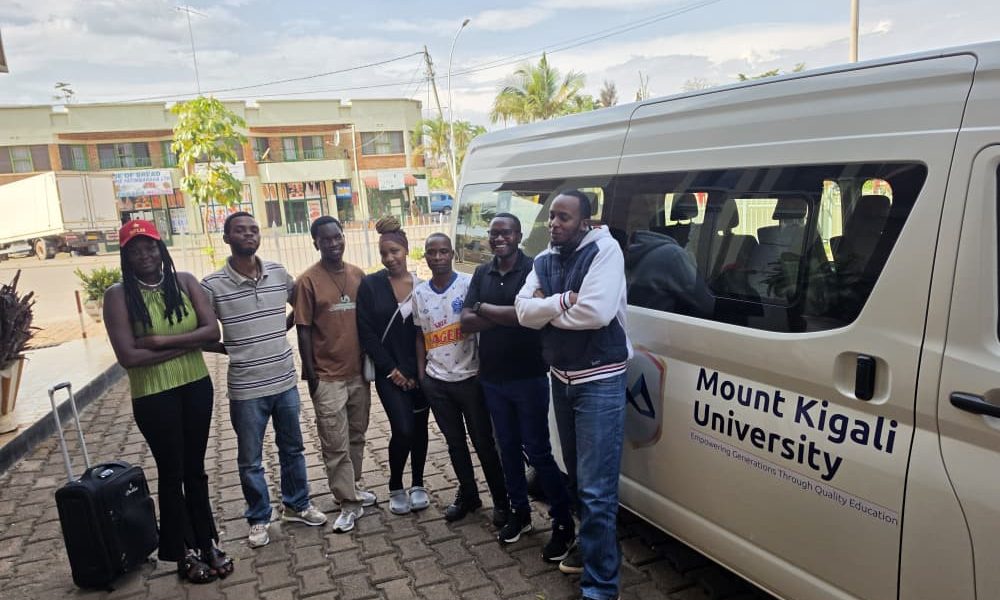
About 20 journalism, multimedia, film and cinematography students from Mount Kigali University (MKUR) recently took their learning beyond the traditional classroom for an intensive five-day practical media training programme in Huye. The hands-on programme brought together students from first year to final year and created an environment that closely simulated the demands of a professional newsroom. Through practical assignments, editorial discussions and field-based reporting, students were challenged to transform classroom knowledge into compelling, evidence-based stories.
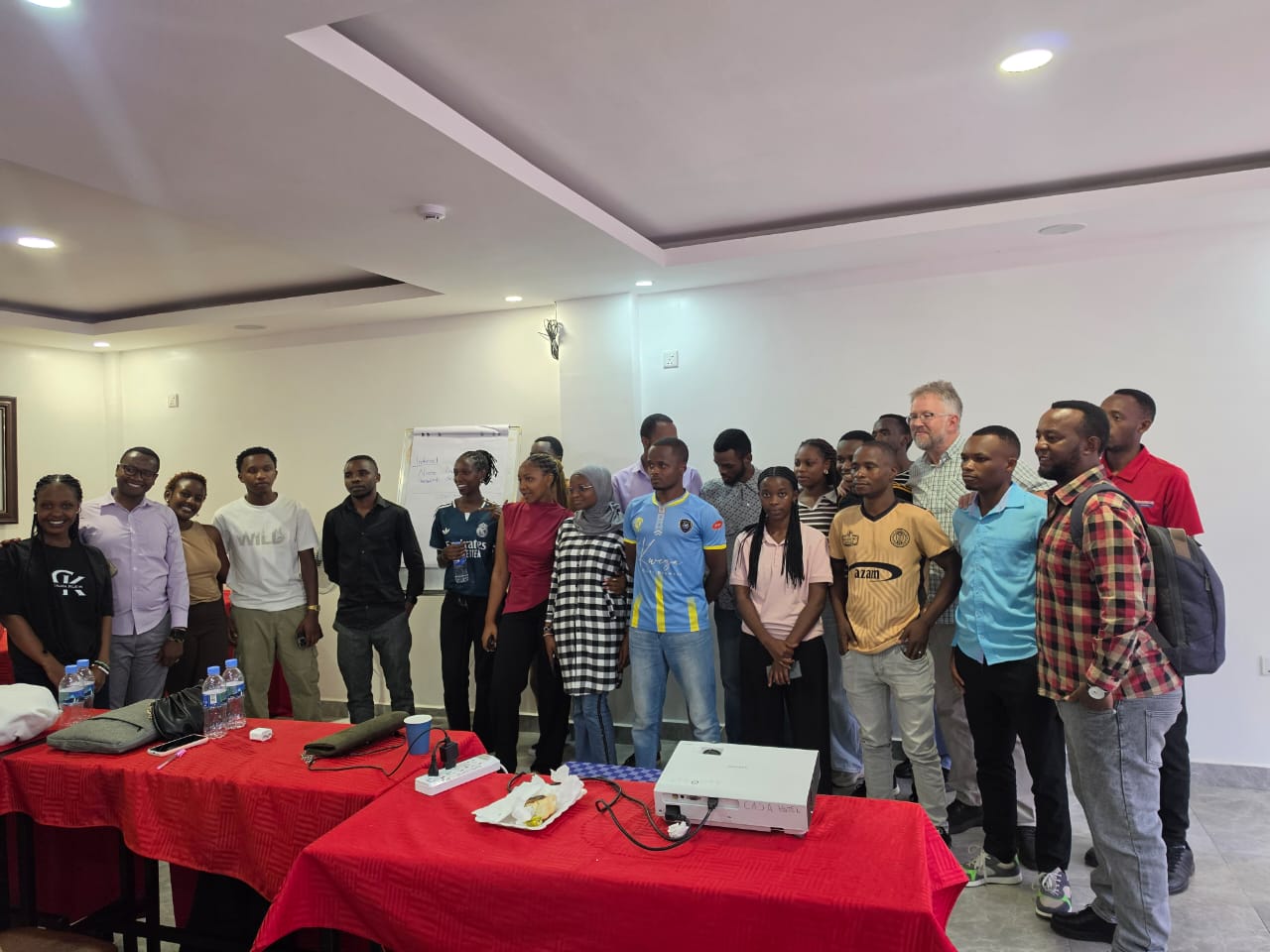
One of the first lessons challenged students to distinguish between a broad topic and a specific, reportable story.Rather than approaching subjects such as youth unemployment, public transport or inflation as broad themes, students were trained to identify specific, verifiable angles that could be developed into meaningful stories. Working in small editorial teams, participants followed a structured reporting process: Observation → Question → Hypothesis → Evidence → Story They also examined key news-value considerations, including who is affected, the scale of the issue, what has changed and what could happen if the situation remains unresolved. This process enabled the students to transform community observations into focused and potentially impactful story ideas, ultimately preparing them for the challenges of taking journalism beyond the classroom, whether in Kigali or in Huye.
Investigative journalism was another major component of the training. Students were introduced to techniques for “following the money”an approach that encourages journalists to look beyond readily available narratives and investigate the financial and institutional information behind a story. Working into the evening, the students learned how to examine public records, local procurement information, institutional budgets and contracts. The exercise reinforced the importance of supporting interviews and claims with credible documentary evidence. This practical approach helped students appreciate that strong journalism is built not only on good questions and compelling interviews, but also on evidence, verification and accountability. The programme also provided an opportunity for students to engage with the realities of working in today’s media industry. A candid panel discussion examined whether traditional media organisations and journalism departments can remain financially sustainable in an increasingly digital-first environment. Industry practitioners encouraged students to focus on developing strong professional skills and creating meaningful societal impact as they build their careers. Such discussions highlight how journalism can be taken from Kigali to Huye, moving beyond the confines of the classroom and into society.
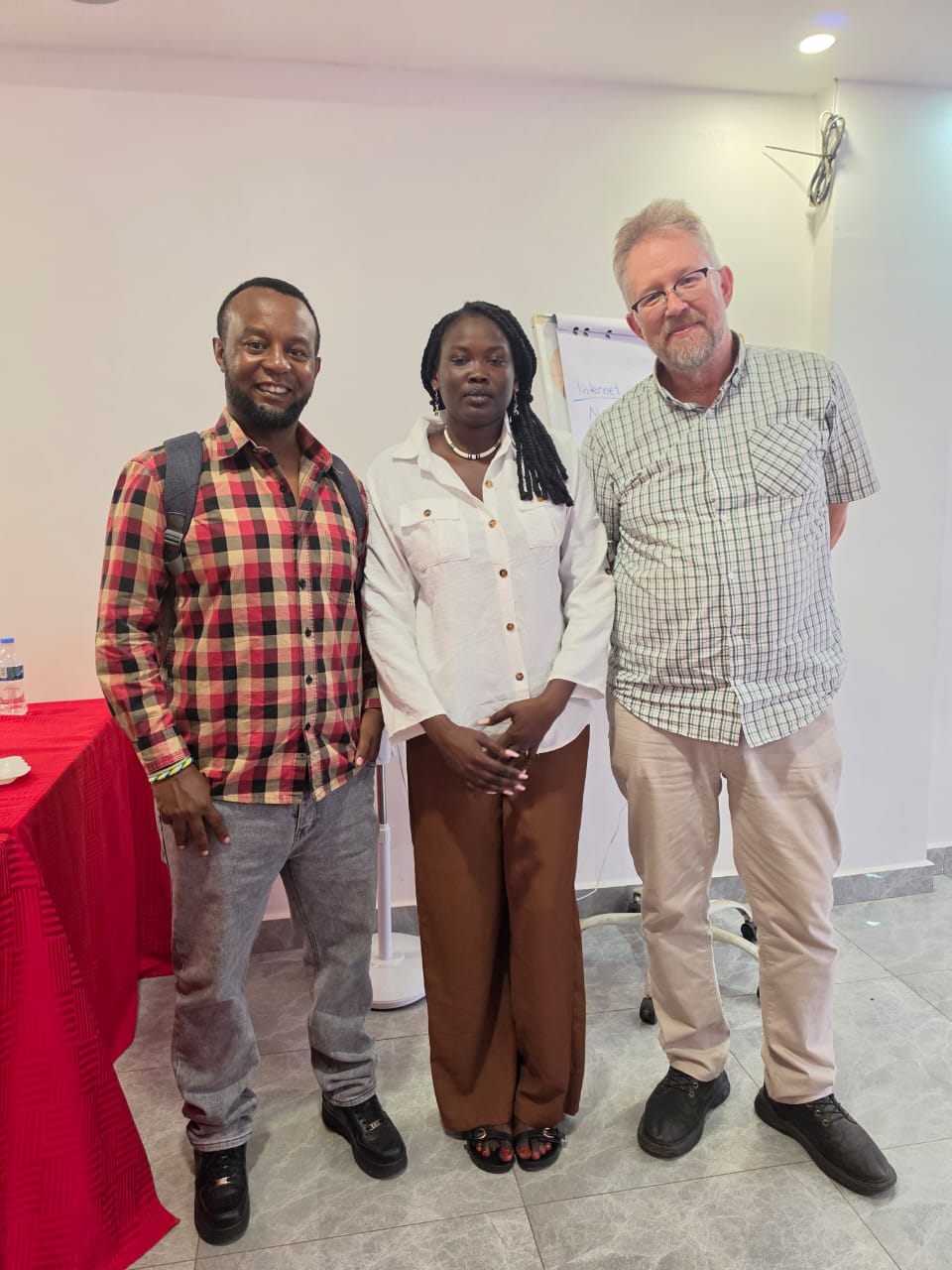
For the students, the conversation also highlighted the importance of career guidance within journalism education. Denish, a final-year journalism student, noted the need for more deliberate career guidance to help aspiring journalists navigate the professional landscape and better understand the opportunities and challenges within the industry. The five-day programme culminated in a demanding final editorial session in which student teams presented completed multimedia projects across text, audio and video. The students were required not only to present their work but also to defend their reporting decisions before a critical editorial board, providing a practical simulation of the scrutiny journalists encounter in professional newsrooms. In summary, the event truly served as a bridge, taking journalism from Kigali to Huye while pushing learning far beyond classroom walls.
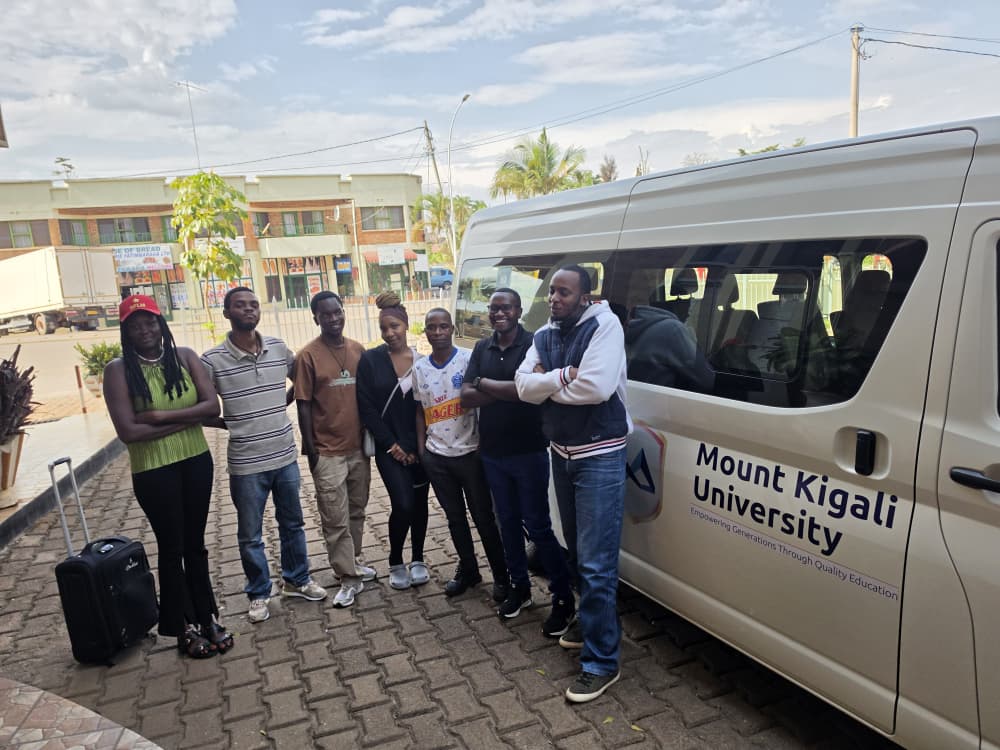
The Huye training reflects Mount Kigali University’s emphasis on experiential learning, providing students with opportunities to apply academic knowledge in practical environments. For the participating journalism and multimedia students, the journey from Kigali to Huye became more than a field trip. It was an opportunity to report, investigate, collaborate, produce and defend stories, while gaining a deeper understanding of the responsibilities and realities of modern journalism. Through initiatives such as this, MKU continues to create learning experiences that connect academic knowledge with practical skills, helping students develop the confidence and professional capabilities required to navigate an evolving media industry. In many ways, the experience embodied the journey from Kigali to Huye, taking journalism beyond the classroom and into real-world situations.